


Sēkr: Vanlife, Roadtrip, Camp
3.9204.00 Reviews
App Specs
- Version
- 4.11
- Updated On
- License
- Free
- Downloads
- 10,000+
- Developer
- Sēkr, Inc.
- Categories
- Travel & Local
- Platform
- Android
Screenshots

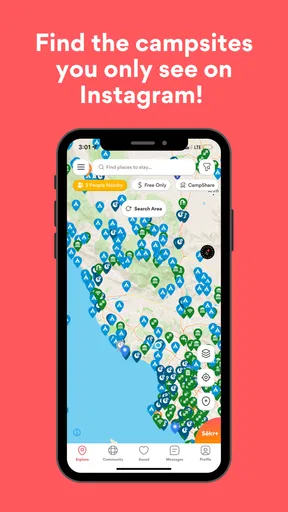
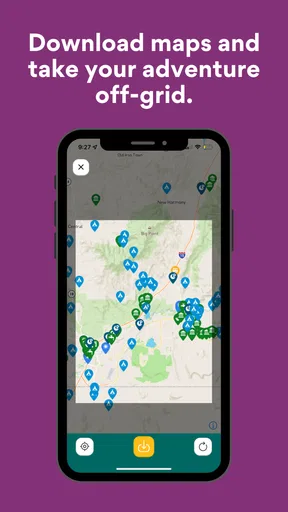
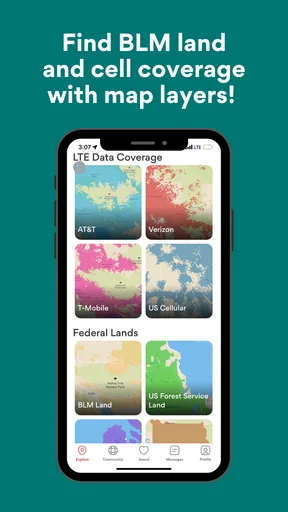
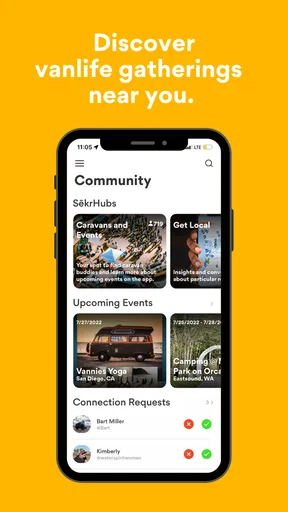
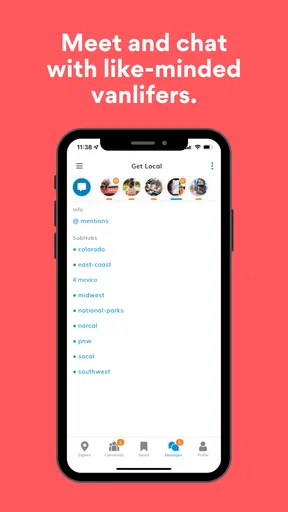
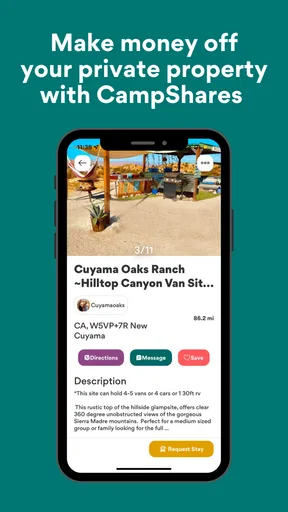
 Analysis by AppCompare
I like travel apps that solve a real planning problem instead of simply placing another map on my phone. Sēkr: Vanlife, Roadtrip, Camp takes that approach by focusing on the practical side of travelling by van or RV: finding places, shaping a route, and making decisions before the day’s driving gets stressful. I reviewed it as a free Travel & Local app from Sēkr, Inc., and its strongest identity is clear from the first use: it is built for people who want their road trip to feel more deliberate without turning the whole journey into a rigid itinerary.
The app has a 3.9 average from around 378 ratings, with more than 10K installs. That places it in a useful middle ground: it is established enough to have a community behind it, but it does not feel like an enormous, impersonal travel platform. The Teen content rating also makes sense for an app aimed at independent travel planning rather than children. I would describe it as a companion for vanlifers, RV travellers, and road trippers who need help deciding where to go next, not as a replacement for every navigation or booking tool they already use.
Planning a road trip around realistic overnight stops
The most valuable capability here is the way Sēkr brings the road-trip planning mindset into one place. A normal map app is excellent when I already know the destination and need turn-by-turn directions. A booking service is useful when I want a conventional campsite or hotel. Sēkr sits earlier in the decision process, when I am asking questions such as: where could I reasonably stop, what kind of place suits my vehicle, and how can I build a route that leaves room for the unexpected?
That distinction matters. Van and RV travel is not just a series of driving instructions. Vehicle size, overnight comfort, access, surroundings, and the distance between stops can change the entire experience. A route that looks efficient on a standard map may be awkward once I factor in a late arrival, limited daylight, a need to rest, or the simple desire to avoid driving for several more hours. Sēkr is most useful when I use it to think through those choices before I start moving.
I found the app more helpful as a discovery and organization layer than as a single-purpose navigation replacement. I can use it to shape the outline of a journey, then rely on a dedicated navigation app when I am actually on the road. That division of labour is sensible. It keeps Sēkr focused on the travel decisions that are easy to overlook when all I see is a blue line between two cities.
The key benefit is not merely finding a stop; it is reducing uncertainty between stops. That is especially important for people travelling with a larger vehicle, carrying equipment, or trying to balance scenic detours with a dependable overnight plan. A standard map may show roads and businesses, but it rarely reflects the way a van traveller thinks about the whole night and the following morning.
What using it feels like in practice
My preferred way to use Sēkr is at the planning stage, while I still have time to compare options. I start with a broad destination rather than attempting to map every hour. From there, I look for possible places to break the journey and consider whether each one fits the kind of trip I want. A relaxed weekend route needs a different rhythm from a long-distance relocation, and the app makes more sense when I treat it as a flexible planning workspace rather than a strict schedule.
Worth Reading Before You Choose

Flipboard Shows What News Apps Must Do Beyond the Feed

Switching to Android Auto Means Rethinking Your Driving Routine

Google Calendar Makes a Crowded Week Easier to Manage

Ludo King Makes the Most of the Minutes Between Plans

Baby Panda World Brings Quick Play to Modern Phones, but Its Game Library Feels Busy

ESPN’s Live Game View Makes Following Close Games Easier
One useful habit is to create a primary route and a backup idea for each important travel day. If weather, fatigue, or road conditions change the plan, I do not have to start from zero. This is one of the less obvious ways to get value from a road-trip planner: the best plan is not always the most detailed one, but the one that gives me alternatives without making the journey feel over-managed.
I also recommend checking a potential stop before committing to it. A promising result on a screen is only the beginning. I would still consider access, arrival time, vehicle suitability, local restrictions, and whether the location actually matches my comfort level. Sēkr can help me narrow the choices, but it cannot remove the responsibility of making a sensible final decision. That is not a flaw unique to this app; it is simply part of planning travel outside the usual hotel-and-airport model.
Another practical workflow is to separate “interesting” from “reliable.” I might save or note a scenic possibility because it looks appealing, while keeping a more dependable option for the evening. That prevents a common road-trip mistake: spending too long chasing an ideal stop and then having to settle for whatever remains when darkness arrives. The app is particularly useful when I use it to support this kind of layered decision-making rather than expecting one result to answer everything.
A realistic day on the road
Imagine leaving a city in the morning with a compact camper and planning to reach a new region by evening. I would not use Sēkr only after I became tired. Before leaving, I would examine the broad route, identify a few possible overnight areas, and keep one alternative in mind if the first choice becomes inconvenient. During the day, I could reassess the plan when I stop safely, rather than searching hurriedly while trying to drive.
That approach changes the app’s value. It becomes a buffer against last-minute decisions. If the weather worsens or I realise that the final stretch is too ambitious, I already have a starting point for adjusting the route. I can shorten the day without abandoning the trip’s overall direction. For me, this is more realistic than pretending every road trip will follow a perfect timetable.
It is also useful for a couple or small group travelling together. Instead of one person searching randomly and another trying to remember possible locations, the planning conversation can happen around a shared route concept. The group can decide whether the priority is a shorter drive, a more scenic stop, or a better base for the next morning. That makes the app valuable even before anyone starts the engine.
For a solo traveller, the same workflow has a different advantage: it reduces cognitive load. I do not need to keep every possibility in my head while driving. I can make the main decisions when parked and leave the road itself for driving. I would still use common sense and avoid interacting with the app in motion, but the preparation can make the day noticeably calmer.
Where the app fits beside ordinary alternatives
Google Maps or Apple Maps remain better choices when I need precise navigation, traffic awareness, business hours, or a familiar route from one address to another. Their strength is immediate movement through the road network. Sēkr is better suited to the question that comes before navigation: what kind of stop or route makes sense for this style of travel?
Traditional campsite directories can be preferable when I already know I want an organised campground and need to compare formal facilities. Hotel and accommodation apps are stronger when a private room, predictable check-in, or conventional booking process is the priority. Sēkr appeals to a different traveller: someone who wants to explore road-trip possibilities and think beyond standard accommodation.
I would not install it expecting it to replace every travel service. Instead, I would pair it with navigation, weather information, and any booking service needed for a particular night. That may sound like extra work, but it reflects the reality of van and RV travel. No single app can reliably answer route, vehicle access, conditions, personal comfort, and local rules at the same time.
The comparison also explains why some users may find Sēkr less immediately satisfying than a general map. If I only need to drive to a fixed address, its broader planning focus may feel unnecessary. If I enjoy deciding where the road should lead and want a tool that understands the difference between a destination and a suitable stopping point, the focus becomes an advantage.
The tradeoffs I noticed while planning
The first tradeoff is flexibility versus certainty. Sēkr encourages exploration, but exploration naturally leaves more decisions in my hands. A fully organised holiday can feel easier because transport and accommodation are already defined. With a van or RV, I gain freedom but also need to verify more details myself. The app supports that freedom; it does not eliminate the work that comes with it.
The second is that a community-oriented travel tool depends on the quality and usefulness of the information available to its audience. I would treat suggestions as leads rather than guarantees. Conditions can change, access can be unsuitable for a particular vehicle, and a place that works for one traveller may not work for another. I appreciate the discovery angle, but I would never let an app result override signs, local guidance, safety concerns, or my own judgement.
There is also a practical learning curve. People who already travel this way will understand quickly why a route planner should consider more than distance. Newcomers may need time to develop their own criteria: maximum driving time, preferred surroundings, tolerance for remote locations, and the facilities they consider essential. Sēkr can help organise that thinking, but the user still has to define what “good” means for their trip.
The app is free to download, which makes it easy to test without committing money at the start. It includes in-app purchases ranging from $1.99 to $41.99 per item, so I would pay attention to what is included in the free experience and what requires an upgrade before building my entire planning routine around it. I do not see that as an automatic negative, but it is a reason to explore the app gradually rather than assuming every planning element will remain free.
Its current version is 4.11 and it supports Android 7.0 or later. That broad compatibility should make it accessible on many older Android devices, although road-trip users should still consider how well their particular phone handles battery use, storage, and connectivity during long days. I would prepare important route information before leaving reliable coverage and keep a backup plan outside the app. That is good travel practice regardless of the phone or planner involved.
Who will get the most from Sēkr
I think Sēkr is a strong match for someone who owns or rents a van, camper, or RV and feels that ordinary map apps do not quite understand the shape of their trip. It is also a good fit for a road tripper who enjoys improvising but wants a little structure behind the spontaneity. The app gives me a way to explore possible routes without forcing me to reserve every night in advance.
It is particularly useful for travellers who plan in stages. Instead of designing an entire holiday in one sitting, I can establish the broad direction, identify likely stopping areas, and refine the next section when I understand how the previous day went. That style suits long journeys, changing weather, and people who prefer to keep their schedule open.
Beginners can benefit too, provided they understand that the app is a planning aid rather than a guarantee of a perfect overnight experience. It can help them think in terms of vehicle-friendly travel and realistic daily progress. I would encourage a first-time user to begin with a short trip, test the planning workflow, and learn which details matter most before attempting a remote or tightly timed journey.
On the other hand, I would skip it if my travel style is entirely conventional. If I am flying to a city, staying in hotels, and only need directions between booked attractions, this app is unlikely to earn a regular place on my phone. I would also choose a more specialised service if my main requirement is formal campsite reservations, detailed live navigation, or a highly controlled itinerary.
The app’s Teen rating is worth keeping in mind for families deciding what to place on a shared device, but the more important question is whether the travel style suits the user. Sēkr is aimed at independent planning, and that means it rewards curiosity, preparation, and a willingness to verify details instead of accepting the first suggestion.
My recommendation after using it
I see Sēkr as a focused tool for the part of travel that happens between choosing a destination and following directions. Its value comes from helping me think like a van or RV traveller: not just asking how far I can drive, but where I can sensibly pause, how the next day will begin, and what alternatives I have if the original plan changes.
I would recommend trying it if you are planning a vanlife route, preparing an RV holiday, or building a road trip around flexible overnight choices. Use it before driving, combine it with a dedicated navigation app, and verify important details rather than treating any planning result as final. That workflow brings out its strengths while avoiding unrealistic expectations.
My final view is positive but measured. Sēkr is not the universal travel app, and it is not the right answer for a hotel-focused holiday or a simple point-to-point drive. For the traveller it is designed around, though, the focused approach is meaningful. Sēkr: Vanlife, Roadtrip, Camp is most valuable when you want freedom with a practical safety net. I would keep it as part of a road-trip toolkit, especially for journeys where the best plan needs room to change.
Pros
- Detailed campground listings with useful amenities and access information.
- Community reviews help travelers compare locations before arriving.
- Helpful tools for planning routes and organizing road-trip stops.
- Supports finding dispersed camping and less crowded overnight options.
- Useful for vanlifers seeking local events
- services
- and travel companions.
Cons
- Coverage and listing quality can vary significantly by country or region.
- Some useful features may require an account or paid membership.
- User-submitted information can occasionally be outdated or inaccurate.
- The large amount of location data may feel overwhelming for new users.
- Offline access may be limited when traveling through areas without signal.
FAQs for Sēkr: Vanlife, Roadtrip, Camp
What is Sēkr: Vanlife, Roadtrip, Camp, and who is it for?
Sēkr is a travel and camping app designed for vanlifers, road trippers, campers, and anyone looking for places to stay or useful stops while traveling. It helps users discover campsites, boondocking locations, rest areas, amenities, and nearby services. The app is especially useful for planning flexible road trips, although the quality and availability of listings can vary depending on the destination.
Can Sēkr help me find free or low-cost places to camp?
Yes, Sēkr includes listings that may help travelers locate free camping, dispersed camping, boondocking areas, and affordable campsites. However, availability depends heavily on the region, local regulations, and how recently each listing has been updated. Before staying anywhere, always read the location details, check user comments, confirm whether overnight parking is permitted, and follow posted rules or land-management requirements.
Does Sēkr work without an internet connection?
Sēkr is most useful when your phone has an active internet connection because maps, listings, reviews, and location information may need to load from the app’s servers. Coverage can be limited in remote camping areas, so it is wise to research and save important information before leaving service. Users should also carry offline maps, downloaded directions, and a backup plan instead of relying exclusively on the app.
Are the camping locations and reviews in Sēkr accurate?
Sēkr relies on location data and information shared or updated by its community, which makes the app valuable but not infallible. Conditions can change because of closures, weather, private-property restrictions, road access, or local enforcement. Reviews and recent comments are worth checking carefully, but they should not replace official signs, park websites, campground operators, or local authorities when verifying access and safety.
Is Sēkr free to download, and are there any paid features?
Sēkr can generally be downloaded at no initial cost, but some features, content, or services may depend on the current subscription structure and in-app purchase options. Pricing and included benefits can change between Android and iOS or over time. Before committing, review the store listing and subscription screen carefully, paying attention to renewal terms, trial periods, cancellation rules, and whether essential planning tools require payment.


